

by Monserratte Vásquez
Share
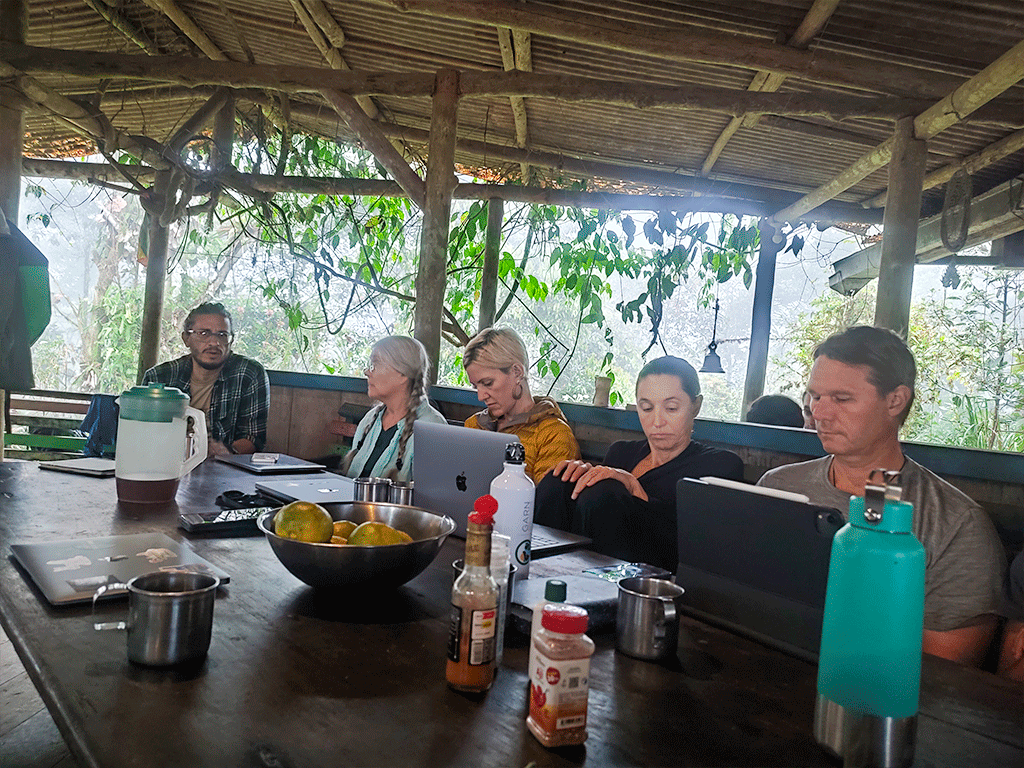
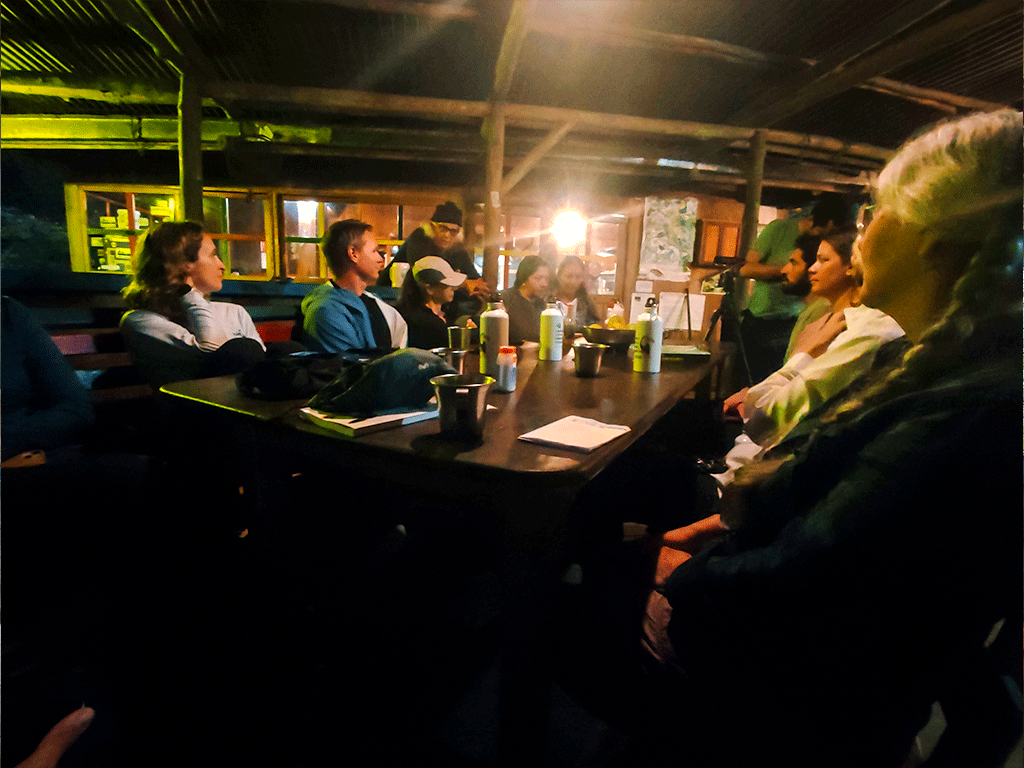
In March we had an important visit to the Los Cedros Scientific Station, from members of the Global Alliance for the Rights of Nature (GARN), who wanted to see first-hand the emblematic place where, for the first time in history, the Rights of Nature were legally applied to protect one of the most threatened critical ecosystems on the planet: the Los Cedros Protective Forest.
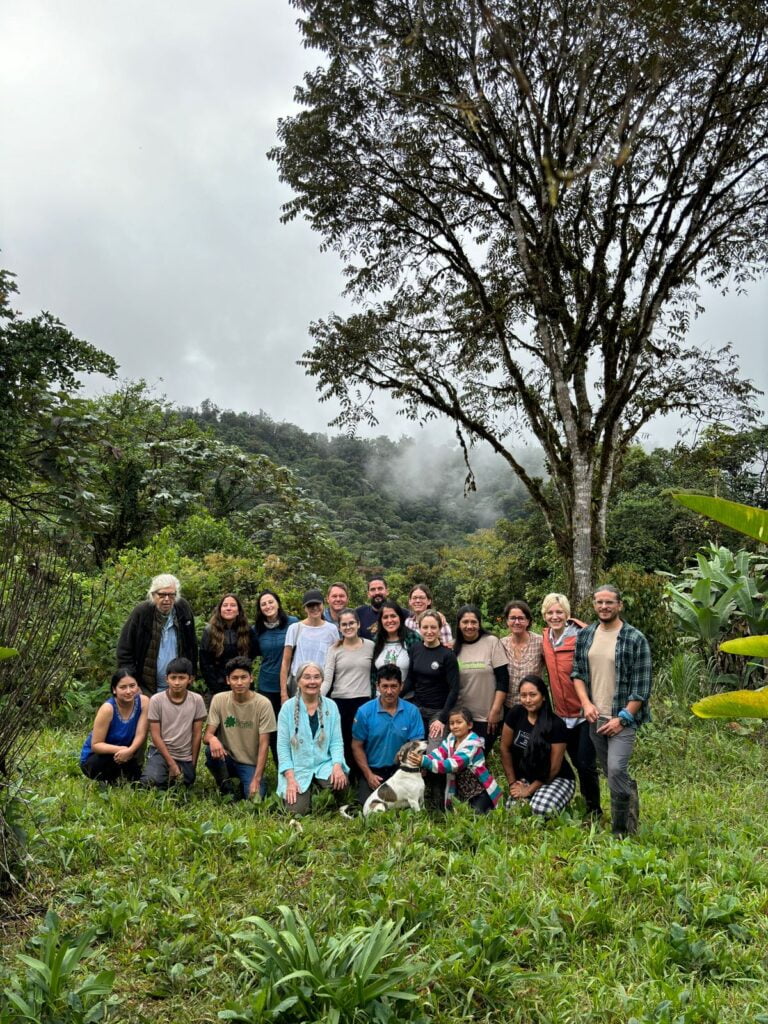
The Los Cedros Protective Forest is part of the buffer zone of the Cotacachi – Cayapas National Park and is recognized as a Key Biodiversity Area (KBA), as it is crossed by two important areas of high biodiversity such as the Tropical Andes and the Chocó bioregion, the latter is one of the most threatened biodiverse regions; According to a study by the Fund for Fragile Ecosystems – CEPF (2005), in Ecuador only 2% of its original coverage remains. Los Cedros is the habitat of several endemic species and at least 179 endangered species have been recorded, such as the brown-headed spider monkey (Ateles fusciceps), the white-headed capuchin (Cebus capucinus), the mantled howler monkey (Alouatta palliata), the Andean bear (Tremarctos ornatus) and the jaguar (Panthera onca).
In 2021, Los Cedros was the center of global attention due to the ruling issued by the Constitutional Court of Ecuador that determined the immediate halt of a transnational mining project that granted concessions to nearly 68% of the forest surface, which violated the Rights of Nature and put seriously threatens its existence and the ecological balance of an area of high biodiversity, a situation that would seriously impact the right of the communities that live in the area surrounding the Forest, to access quality water and to live in a healthy and ecologically friendly environment balanced.
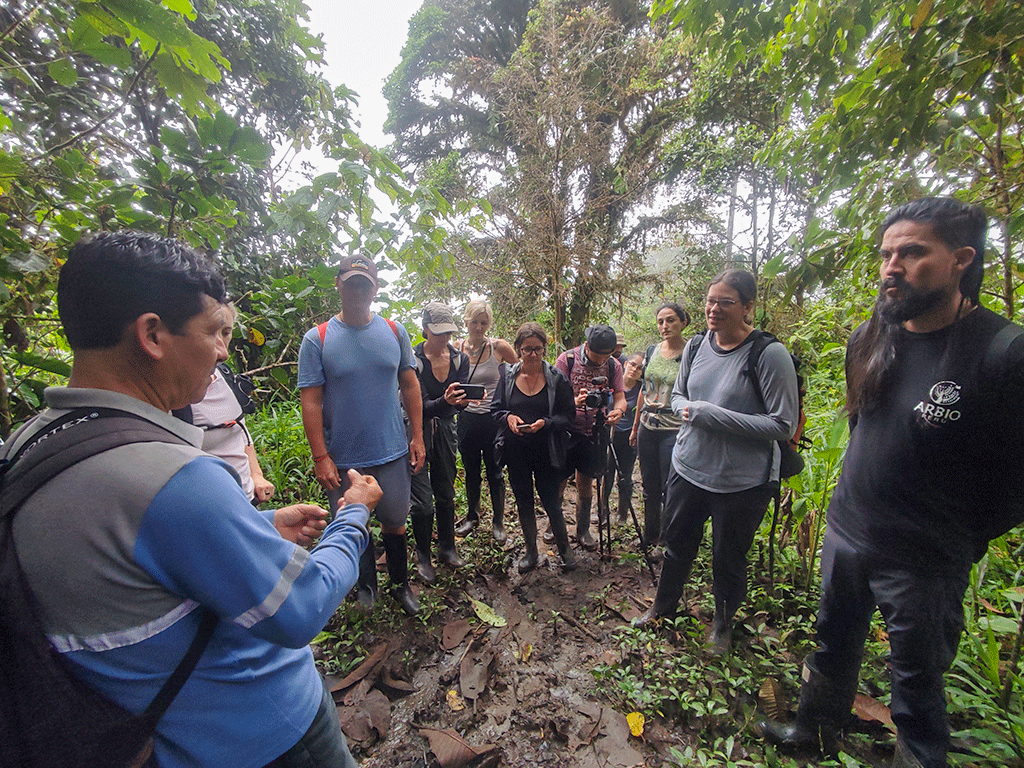
The members of GARN met with residents of the communities in the area of influence, learned about the strategic litigation process and the great challenges that still remain in an area in which mining and the absence of public policies have caused division, poverty and inequality. This demonstrates the great international visibility that the Los Cedros Protective Forest has acquired, which in the eyes of the entire world is a model of conservation and a milestone of hope for the survival of the forests.
It is equally important that the country, through its environmental authorities, respond effectively to what is established in the Constitutional Ruling, generating the mechanisms established in the Management Plan to guarantee the long-term conservation of this treasure of humanity avoiding all types of interference from extractive industries that still hinder the progress and full application of this historic constitutional decision.
Author
Related post
Within the framework of the Project “Preparing Civil Society for the Co-Management and conservation of the Los Cedros Protected Forest – KBA ECU 14” financed by the Critical Ecosystem Partnership Fund (CEPF), we held the introductory workshop on the Birds of the BPLC (KBA ECU14) and of Ecuador in March as part of the forest […]

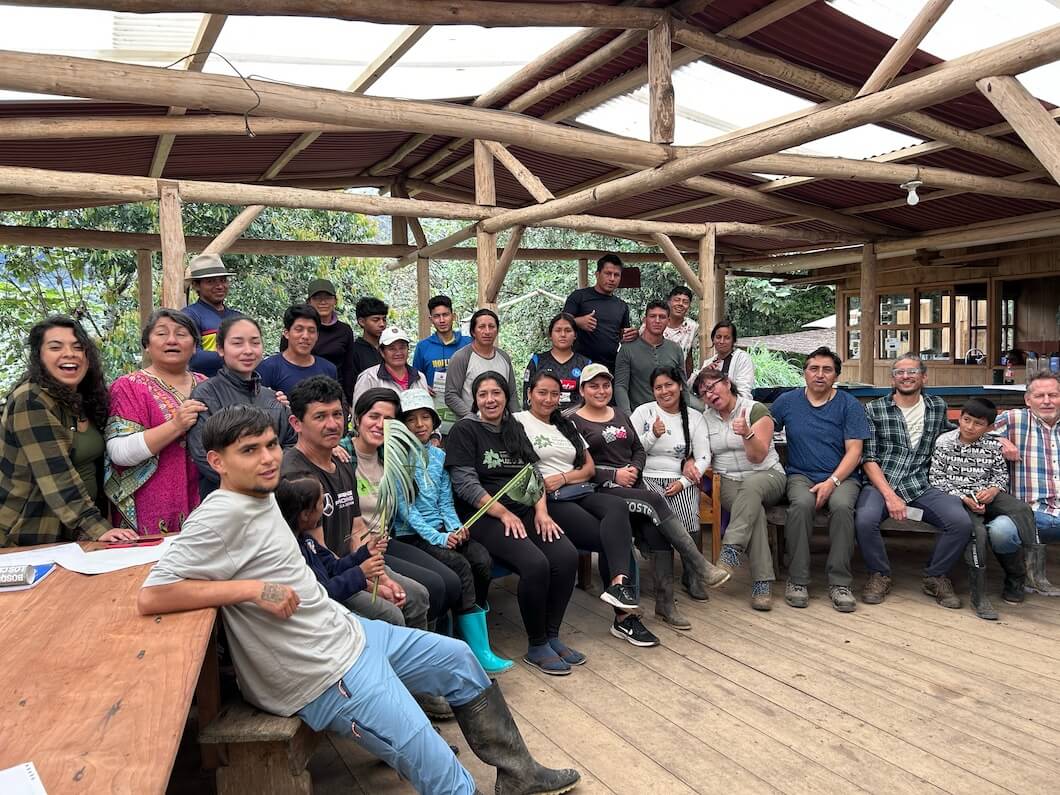
Twenty community members from the Valle de Los Manduriacos, who are training to be forest rangers, participated in the territory and participatory mapping workshop held in March. The workshop consisted of two phases: the first focused on political mapping, led by José Cueva, a member of the CIPBAT team, and the second on social mapping […]
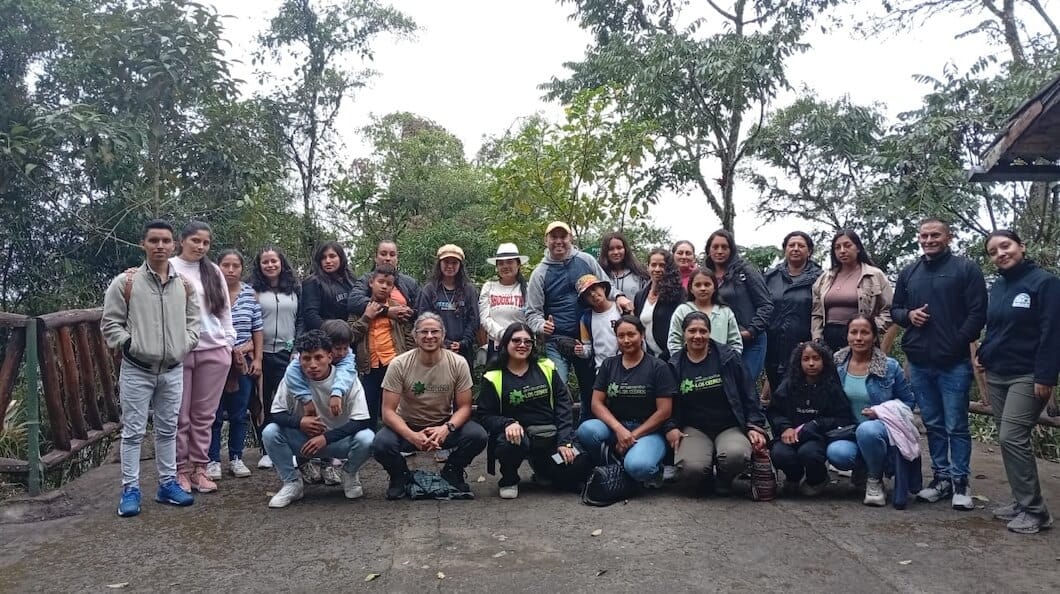
Representatives from the Los Cedros Forest communities visited Yunguilla to learn about sustainable development, organization, and collective hope. Author Jose Cueva
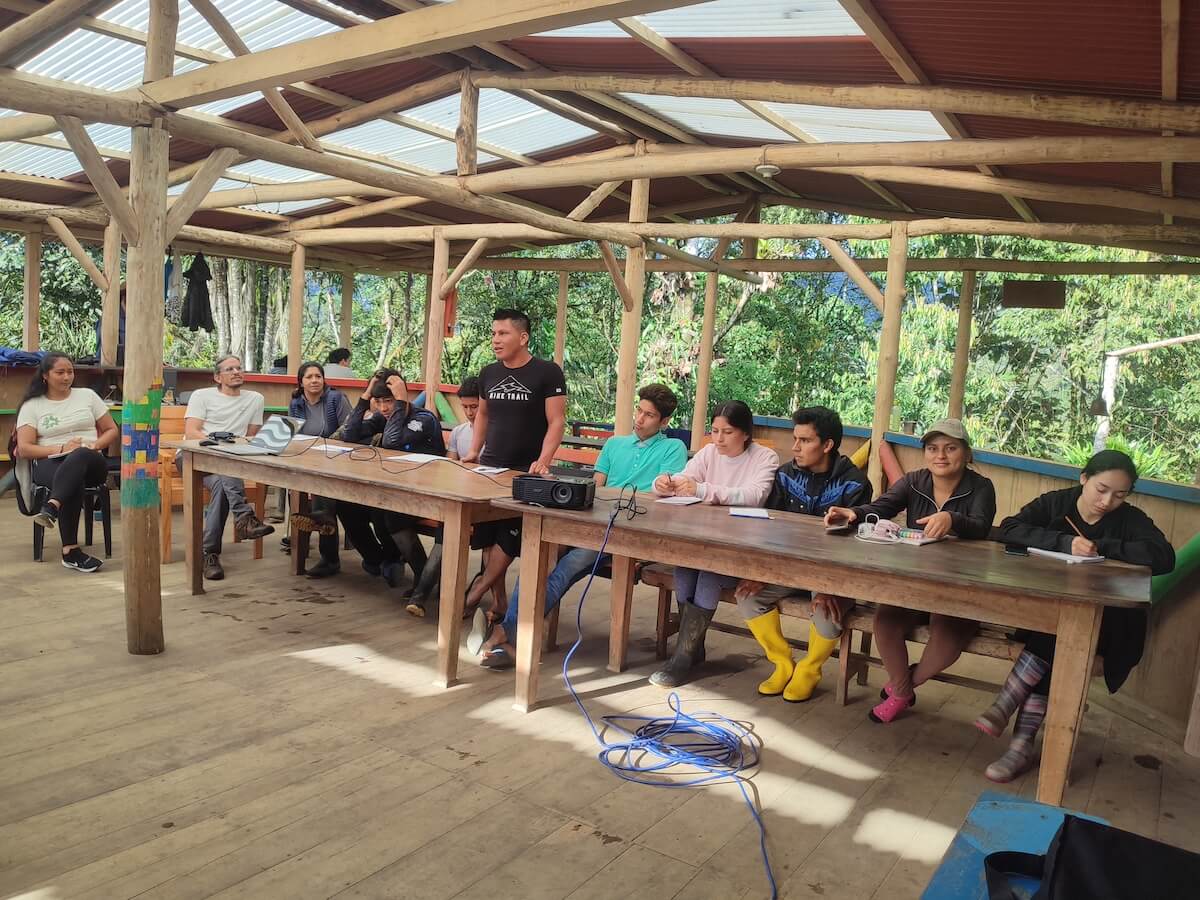
In February, the second phase of the Community Forest Ranger Training Program began, with 10 young adults from last year’s program joined by 10 new young adults from the communities surrounding the Los Cedros Protected Forest, including Brillasol, Magdalena Alto, Chontal, Magdalena Bajo, Pueblo Unido, Paraíso, Río Verde, Villaflora, and Cielo Verde. Each council received […]






 English
  Spanish