About the Reserve
Purpose
DSC00095.JPG


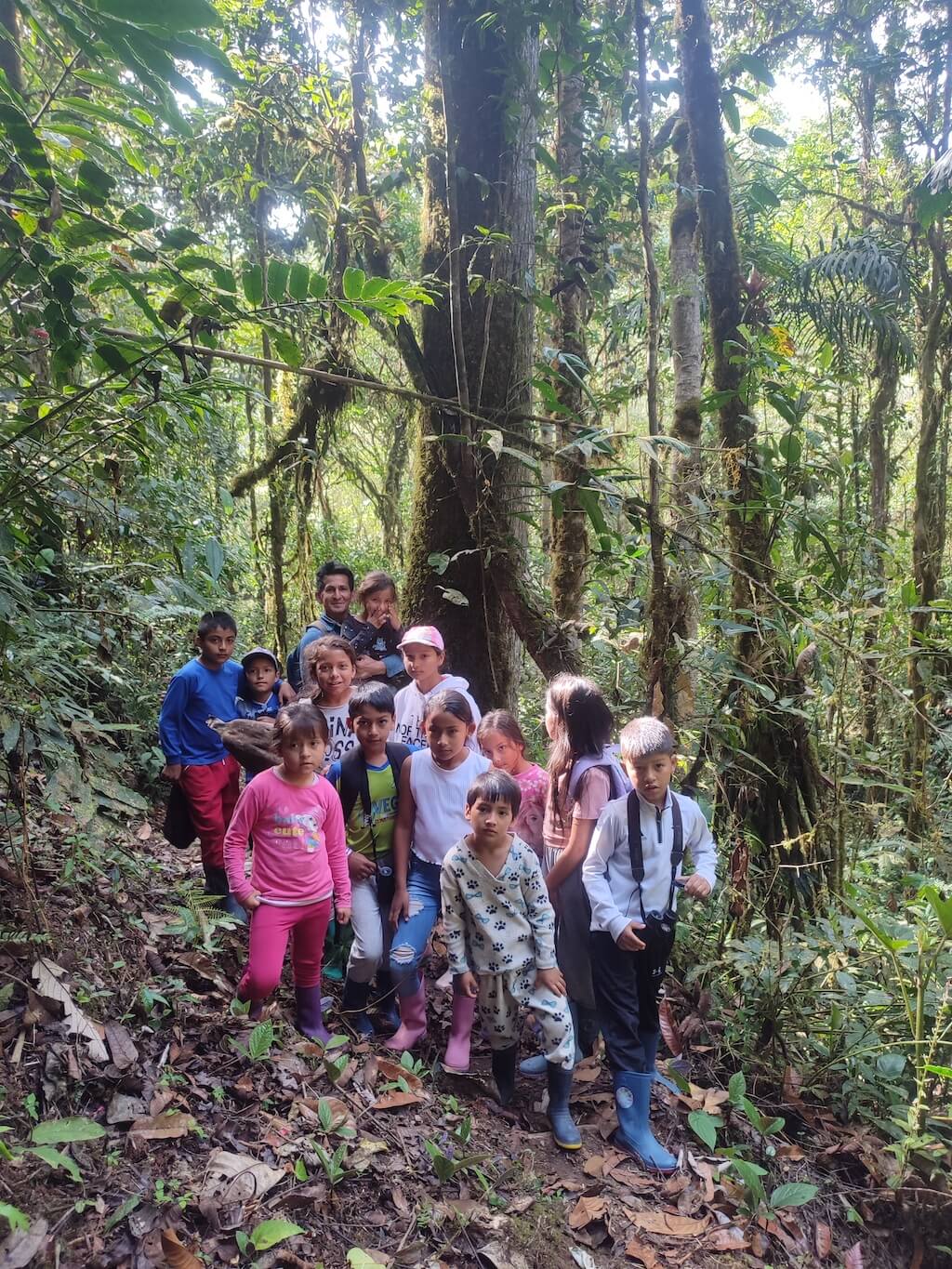
Los Cedros Reserve consists of 17,000 acres of premontane wet tropical forest and cloud forest. 2,650 acres of this is formerly colonized land, and the remaining is primary forest. The reserve is a southern buffer zone for the 450,000 acre Cotocachi-Cayapas Ecological Reserve, and both are part of the Choco Phytogeographical Zone. The Choco region is one of the most biologically diverse and endemic habitats on Earth. Due to the severe threats to this area, Jose DeCoux, a North American who was living on land purchased for conservation since the 1980’s, teamed up with Centro de Investigacion de los Bosques Tropicales (CIBT) to buy up further land and legalize the reserve. Along with simply protecting the forest from further deforestation, the purpose of Los Cedros is to protect the four major watersheds within the reserve. This objective, however, requires hard work and dedication from a team of many enthusiasts.

Governance

The Reserve is governed by the Fundación Los Cedros, composed of local community leaders, representatives from environmental groups, and Los Cedros staff.

  • Board Members
  • Maps


    View Larger Map

    ECUADOR-ESCALA-12500.png


    A high quality scan of a 1:25 000 topological map of the reserve is here (click “view full size picture” to see at full resolution). A much higher resolution version of the same map is also available.

  • GIS Maps and Data
  • Access
    renee_hacienda.jpg


    If you can find a map with Los Cedros on it, you might be suprised by how close it is to Quito. If you’ve ever made the trip, you will be extra suprised. Although only 60 kilometers northwest of the capital as the quetzal flies, the journey can be quite a journey. From Quito an early morning bus will take you past a succession of big green mountain views and bustling mountain towns until you reach the town at the end of the line. Mid-day meals are available at a cheerful hotel. You will be met by the mules who are prepared to haul your things, and any other rations sent from Quito, up the mountain. The majority of this five hour hike is walking alongside and above the clear-blue Rio Magdalena. During the day, you pass small family-run farms, creep underneath bamboo canopy, and eventually curve up into the clouds. Somewhere towards the top of all that splendor you might find Reserva Los Cedros, a little piece of paradise for thousands of species, including yourself.

    trailmap640.png


    Some specifics:

    There are recent changes in the bus route to the reserve. First of all the new bridge is open across the Guyabamba river to Chontal so everyone now arrives in Chontal.

    The bus station for Transportes Minas has also moved but not very far and is now located in a much safer location with it´s own large patio and waiting rooms. It is located on Calle Los Rios near the Ayora Maternity Hospital close to where the street begins. There are four buses a day to Chontal but the important one is the 6:00am bus which gets into Chontal at 9:30am. This gives you the rest of the day to hike or ride to the reserve.

    So once in Chontal you find the hostal with no sign run by Ramiro Nogales and Alicia Rodriquez and you can usually wait right there for the mules. Everyone in Chontal knows about Los Cedros so if no one is home at the hostal just ask around.

    Facilities
    Carp4SEP16.jpg


    Los Cedros is rustic but quite comfortable. A spacious propane-powered kitchen serves good meals. During most seasons crystalline and eminently drinkable water is gravity-fed from the pristine watershed. Boiled water is also available if required. The gas-heated shower building has a wonderful view. Outhouses are kept clean. A micro-hydro plant installed on a nearby river and a solar panel generate limited 12 and 110 volt power. The majority of food is bought from Coopertive Camari, where indigenous people sell their organic foods. The meals are supplemented with fresh veggies, herbs, and fruit juices from within the reserve. During the week good plentiful food is prepared by kitchen staff and on weekends the inmates are let loose in the kitchen, gardens and pantry. Facilities exist for movie watching and ping pong. Hammocks are strategically placed throughout.

    center_am.jpg


    In recent years phone lines have reached the reserve. With patience, an internet connection can be coaxed out of those lines for email.

    An ever-evolving (and devolving) trail system provides access to the surrounding ridges, slopes, rivers and plateaus. The majority of the Reserve’s 17 000 acres remain untracked and rarely visited by humans.

    DSC00001.JPG


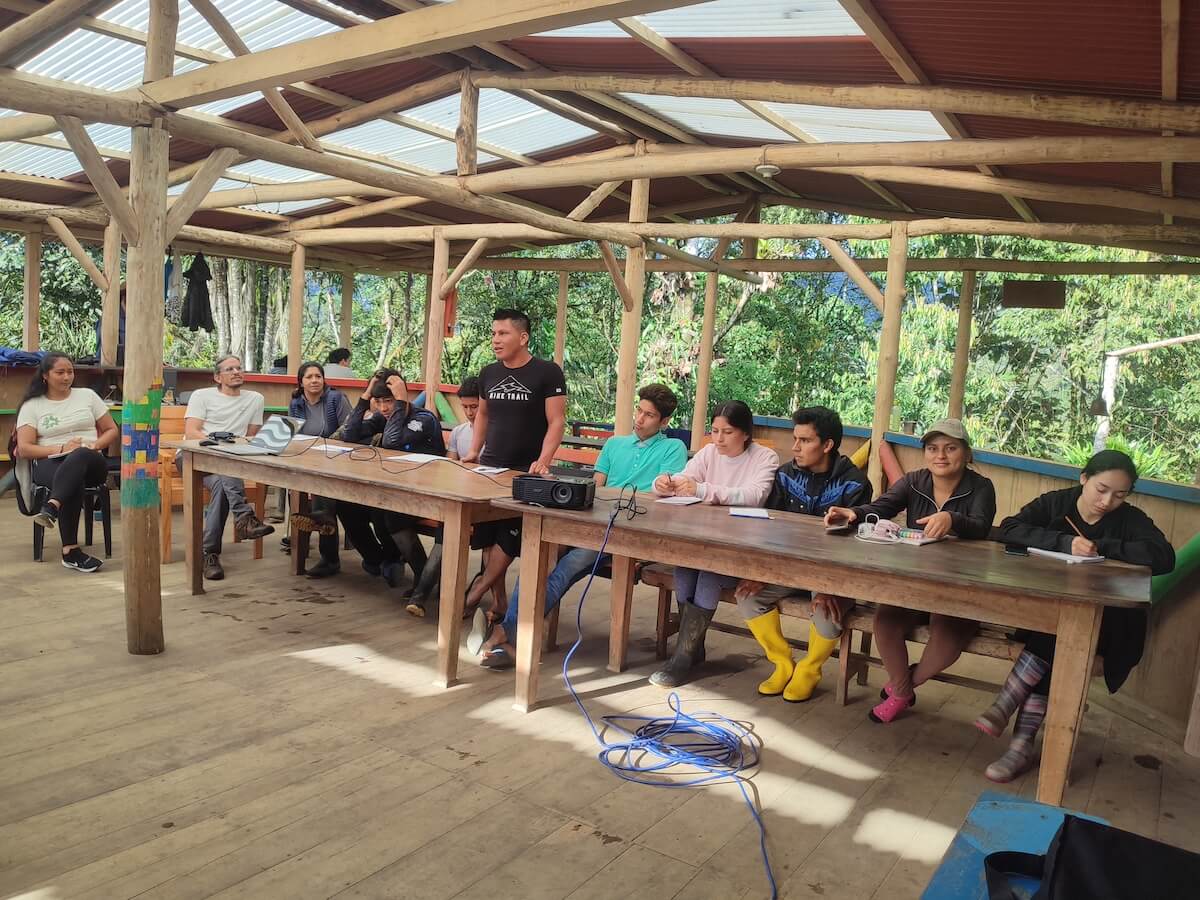
    Well constructed wooden buildings have supplemented the original colonist buildings and outbuildings. In addition to dormitory, double and single rooms, there is meeting and project space. For the intrepid there are fixer-upper outbuildings located further out on the trails.

    Climate

    Although only thirty miles north of the equator, the temperature at these altitudes can get pretty chilly at night and when the clouds and rain move in. The temperature generally fluctuates between 16°C and 25°C (61°F and 77°F). Northwest Ecuador is one of the wettest climates on Earth, due to the meeting of the cold Humboldt and the warm Panama currents just off the coast. The drier season is generally from July to October. This high rainfall and 100% humidity much of the day is critical for the plant and animal communities that have evolved in these forests. This is where the flora and fauna of the Central American, Amazonian, and Andean regions overlap, creating one of the most biologically diverse areas on the planet.

    Geography
    DSC00097.JPG


    The Toisan mountain range runs East/West off the western side of the Andes mountains. Running North/South from this Toisan range lies the Cordillera de La Plata of which Los Cedros is the Southern most area. The reserve lies on the ascending slopes of the La Plata range consisting of steep river valleys and high ridges. Los Cedros has altitudes ranging from 1000 meters at the entrance, up to Cerro de La Plata at 2700 meters. This is the last ridge in the Cordillera de La Plata. The reserve encompasses four main watersheds; the Rio Manduriyacu, the Rio Verde, the Rio Los Cedros, and the south bank of the Rio Magdalena Chico. Keeping these rivers protected and clean for those that live downriver is a main objective for Los Cedros Reserve.

    Flora & Fauna
    146_4646 copy.jpg


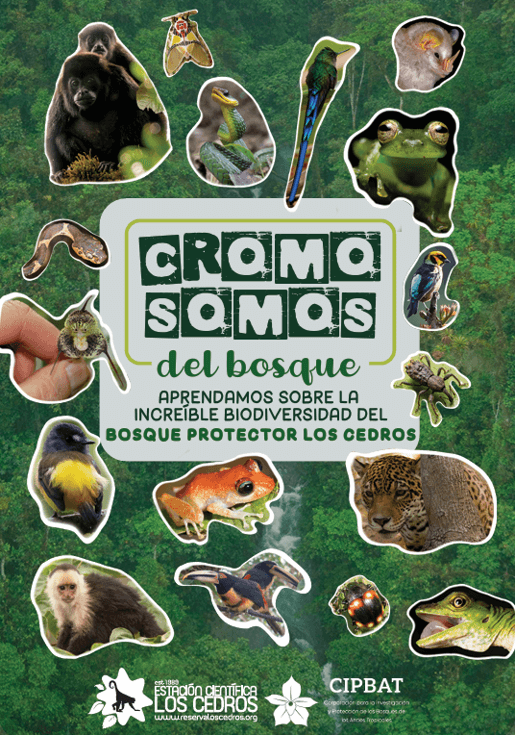
    No one knows for sure, but there are about 300 species of birds in the reserve. Tanagers, Hawks, Eagles, Parrots, Owls, and Toucans are only a few. Over a dozen species of hummingbirds whizz around throughout the forest, some only an inch long. The stunning Andean Cock-of-the-Rock, the Toucan Barbett, and the colorful Golden Headed Quetzal make their home here.

    grasshopper


    Encompassing thousands of species, the invertebrates dominate the faunal biomass. In Los Cedros there are over 900 species of nocturnal moths, most with amazing wing patterns and colors. There are also thousands of species of butterflies, ants, beetles, spiders, and bees. Often seen is the Pepsis Wasp (hercules wasp), and it may be dragging a tarantula home to serve as a living nest for it’s young. The largest cockroach in the world lives here, along with the first aquatic cockroach found in South America . The reserve is also home to several species each of snakes, lizards and frogs which are often seen, but have been little researched.

    Howler one.jpg


    Evidence in the form of scat, tracks, and the occasional sighting provide the assurance that our five species of felines roam their territories here in the reserve. Common names are the Jaguarundi, Margay, Oncilla, Puma, and Jaguar. In the morning, along with the chorus of birds, you are likely to be woken by the Mantled Howler Monkey. He is the loudest, so can often be heard, and sometimes seen, in the canopy. The two other primates are the White-Throated Capuchins and the rare Brown-Headed Spider Monkey. The only species of South American bear, the Spectacled Bear, inhabits the higher elevations of the reserve and is seen on occasion.

    144_4436 copy.jpg


    In the morning, along with the chorus of birds, you are likely to be woken by the Mantled Howler Monkey. He is the loudest, so can often be heard, and sometimes seen, in the canopy. The two other primates are the White-Throated Capuchins and the rare Brown-Headed Spider Monkey. The only species of South American bear, the Spectacled Bear, inhabits the higher elevations of the reserve and is seen on occasion.Other mammals include the Opossum, Nine-Banded Armadillo, Kinkajou, Tayra, Southern River Otter, Collared Peccary, Red Brocket Deer, Paca, Agouti, Spiny Pocket Mouse, Bicolo-Spined Porcupine, Western Dwarf Squirrel, and Red-Tailed Squirrel.

    Abundant tree species include Copal, Madrono, Avocatillo, Strangler Fig and Podocarpus, while the Cedars that give the reserve its name are less numerous. Fifty more trees have been identified, but this represents only a small fraction of the diversity present in the area. The dense forest floor and understory is a thick web of buttress roots, lianas, vines, prop roots, drop roots, and decomposing plant material.Characteristic of a cloud forest, the trees on the ridge lines are more stunted in size and laden with masses of luxuriant ephiphytes, with a more open canopy allowing a thicker and richer understory.

    DSC00109.JPG


    Also strong through the upper story are climbing philodendrons, bromeliads, heliconia, and cyclanthaceae. The area is especially rich in orchidaceae, with 190 species identified, with a predicted (by Cal Dodson) 200 yet to be discovered.

    Prehistory

    In the area we now know as the Los Cedros Reserve, evidence has been found of indigenous people inhabiting the area in prehistoric times. On the walk to the reserve, there are spiral and circular petroglyphs on a large granite boulder. Several stone corn grinders, “bateas”, and various pottery and ceramic jewellery fragments have also been found in areas where the forest shows signs of being old secondary regeneration. Evidence of terracing can also be seen. From these findings we can only speculate the type of life this forest once supported.

    History

    The next human existence we know of in the area came in the 1950’s when a Czechoslovakian immigrant, Pepe Yanouch, used the power of mules to transport a bulldozer over the mountains for the purpose of clearing the forests at the junction of the Guayllabamba and Magdalena valleys. After the founding of the town of Saguangal, a road was soon opened to Quito. The area has since been steadily colonized, clearing land further and further up the valleys. Most of these colonists are small-scale family-run farms who cultivate corn, papaya, bananas, and raise beef cattle. Some of these colonists have since been bought out in the process of acquiring land for the reserve.

    websitehughstimson